Almost every surgical inpatient has a drip, and most fluid errors are made by the most junior doctor at night. This topic brings together the Intravenous Fluids book, the calculator and the OSCE stations, so you can learn the rules and then practise them.
Three questions before every bag
- Resuscitation, maintenance or replacement? Each needs a different fluid, volume and rate.
- What are the sodium and potassium today? Look before you prescribe, not after.
- What is the fluid balance? Read the chart and the weight, not just yesterday’s prescription.
In this topic
Start here
Free bookIntravenous Fluids71 pages: resuscitation, maintenance, replacement and the fluid balance chart.CalculatorIV fluids calculatorMaintenance, drip rates, Parkland, sodium correction and potassium.
Practise
OSCE stationMaintenance intravenous fluidsWrite the prescription, then check the model answer.OSCE stationFluid balance chartRead the chart the way the examiner will.
Where fluids meet other topics
Test yourself: Champion
5 rapid-recall questions on this topic, thirty seconds each.
Single-best-answer questions with answers, explanations and references.Start →
Other topics
Everything on the site sits under one of these.
Pre-operative assessmentAssess any patient before surgery in seven steps, with the risk scores that put a number on it.Explore topic →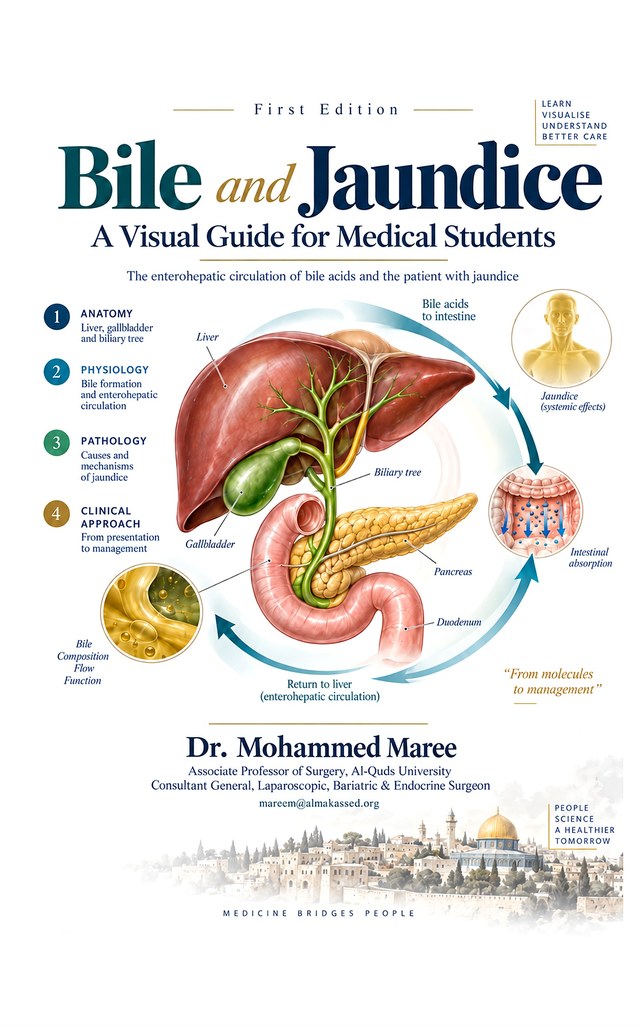 Liver, gallbladder & jaundiceBile acids, the three types of jaundice, liver function tests and the gallbladder patient.Explore topic →
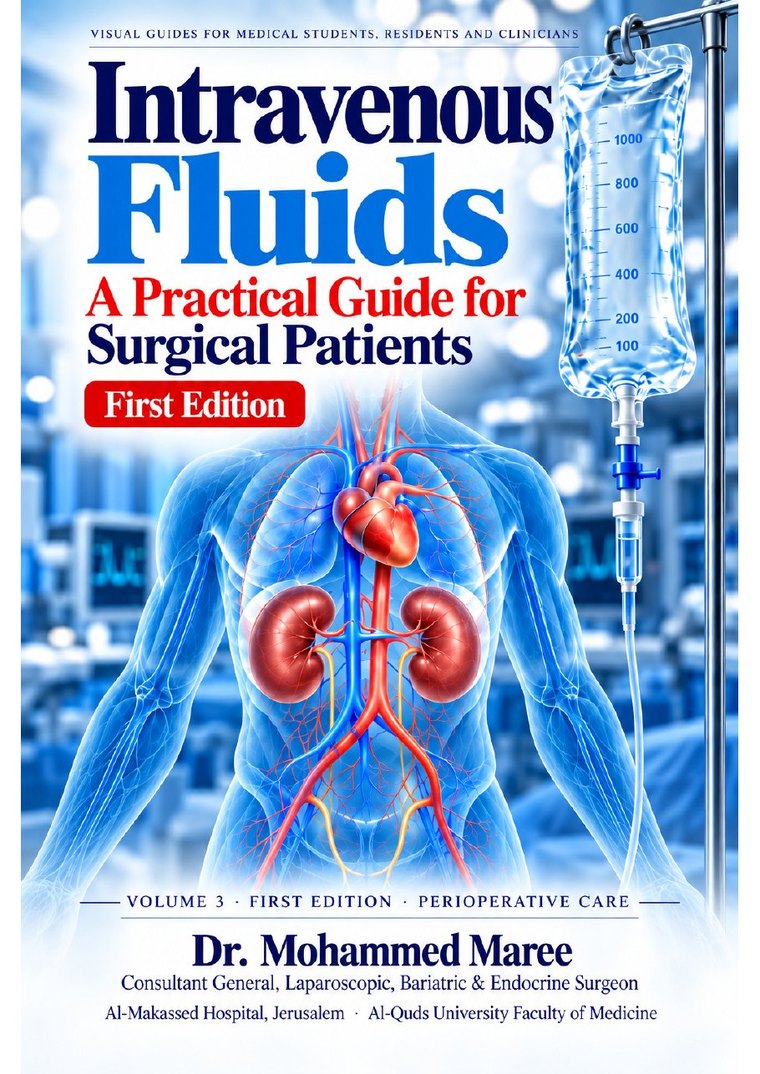 IV fluids & electrolytesWhat bag, how much and how fast: maintenance, resuscitation, replacement, sodium and potassium.Explore topic →Acid–base & blood gasesRead any arterial blood gas in five steps: compensation, the anion gap and the surgical patterns.Explore topic →
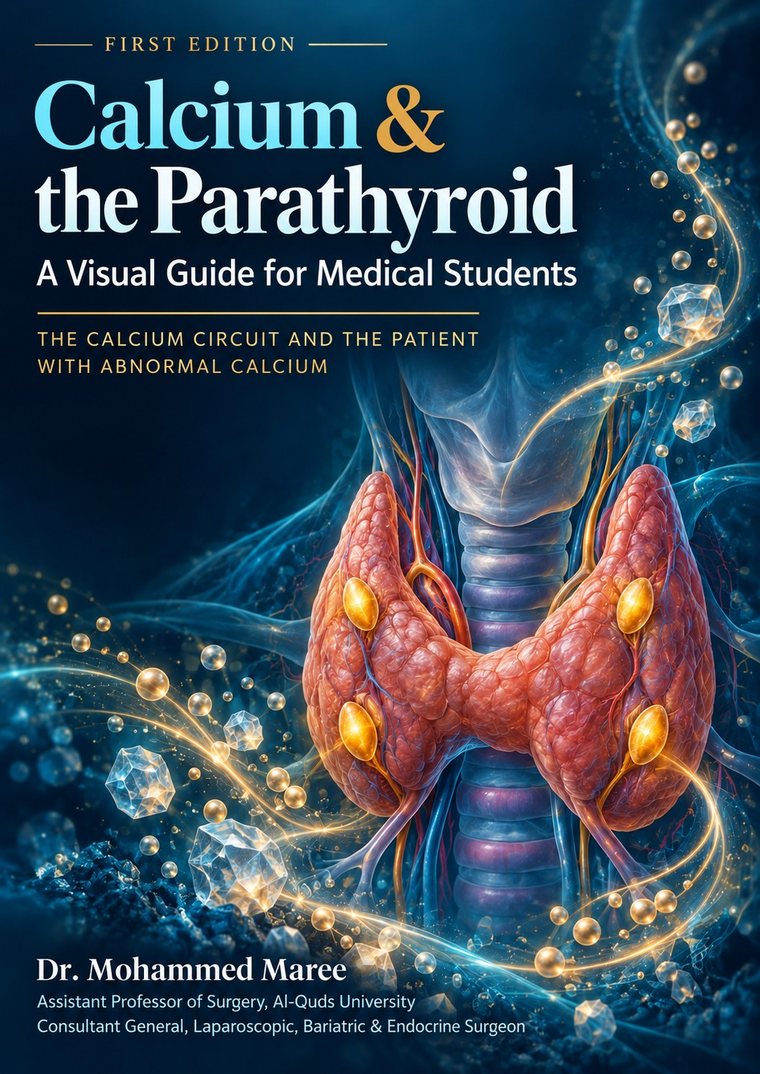 Endocrine surgeryThe thyroid and the parathyroids: the neck lump, calcium, and the patient after a thyroidectomy.Explore topic →
 Bariatric & metabolic surgeryWho is a candidate, which operation, and the complications to recognise on the ward.Explore topic →Hernia & the abdominal wallReducible, incarcerated or strangulated; inguinal or femoral; and when it needs a surgeon tonight.Explore topic →Acute abdomen & GI surgeryAbdominal pain, bowel obstruction, appendicitis and GI bleeding: the histories and the investigations.Explore topic →Vascular & woundsVenous, arterial and neuropathic ulcers, the cold leg and the diabetic foot.Explore topic →Surgical oncologyHow cancer starts, spreads and is staged, the genes behind it, screening, the MDT, treatment and oncological emergencies.Explore topic →
Liver, gallbladder & jaundiceBile acids, the three types of jaundice, liver function tests and the gallbladder patient.Explore topic →IV fluids & electrolytesWhat bag, how much and how fast: maintenance, resuscitation, replacement, sodium and potassium.Explore topic →Acid–base & blood gasesRead any arterial blood gas in five steps: compensation, the anion gap and the surgical patterns.Explore topic →Endocrine surgeryThe thyroid and the parathyroids: the neck lump, calcium, and the patient after a thyroidectomy.Explore topic →Bariatric & metabolic surgeryWho is a candidate, which operation, and the complications to recognise on the ward.Explore topic →Hernia & the abdominal wallReducible, incarcerated or strangulated; inguinal or femoral; and when it needs a surgeon tonight.Explore topic →Acute abdomen & GI surgeryAbdominal pain, bowel obstruction, appendicitis and GI bleeding: the histories and the investigations.Explore topic →Vascular & woundsVenous, arterial and neuropathic ulcers, the cold leg and the diabetic foot.Explore topic →Surgical oncologyHow cancer starts, spreads and is staged, the genes behind it, screening, the MDT, treatment and oncological emergencies.Explore topic →